Complete guide: best bars to watch World Cup in Mexico City 2026. Hotels, flights, fan zones and insider tips for World Cup 2026.
The moment you step off the plane in Mexico City, you'll feel it—that electric, intoxicating energy that only a World Cup can bring. The air is thinner here at 7,350 feet above sea level, but somehow it feels heavier with anticipation, thick with the promise of glory and heartbreak. This is where football becomes religion, where the streets pulse with the rhythm of a thousand drums, where every corner bar transforms into a cathedral of passion. Mexico City doesn't just host football—it breathes it, lives it, bleeds it. And in 2026, when the world descends upon the legendary Estadio Azteca, you'll understand why this sprawling, chaotic, beautiful metropolis is the spiritual home of the beautiful game. The mountains frame the horizon like ancient spectators, the tacos taste better when seasoned with victory, and the tequila flows sweeter when your team finds the back of the net.
This is where Maradona scored the Hand of God. This is where legends are born and dreams are shattered. And this summer, this is where your World Cup story begins. Whether you're watching from the stands or from the best bars to watch World Cup in Mexico City 2026, you're about to experience football the way it was meant to be experienced—with every fiber of your being, with strangers who become family, with a city that never sleeps because there's too much football to be played, too many songs to be sung, too many memories to be made.
Best time to arrive: 3-4 days before your match to acclimatize to the altitude and soak in the atmosphere Budget per day: USD 80-150 per day (mid-range traveler, including accommodation, food, drinks, and local transport) Getting around: Metro (USD 0.25 per ride), Uber (USD 3-8 for most journeys), Metrobus Must-book in advance: Hotels (book 6+ months early), match tickets, airport transfers, popular restaurant reservations
Why Mexico City Will Blow Your Mind
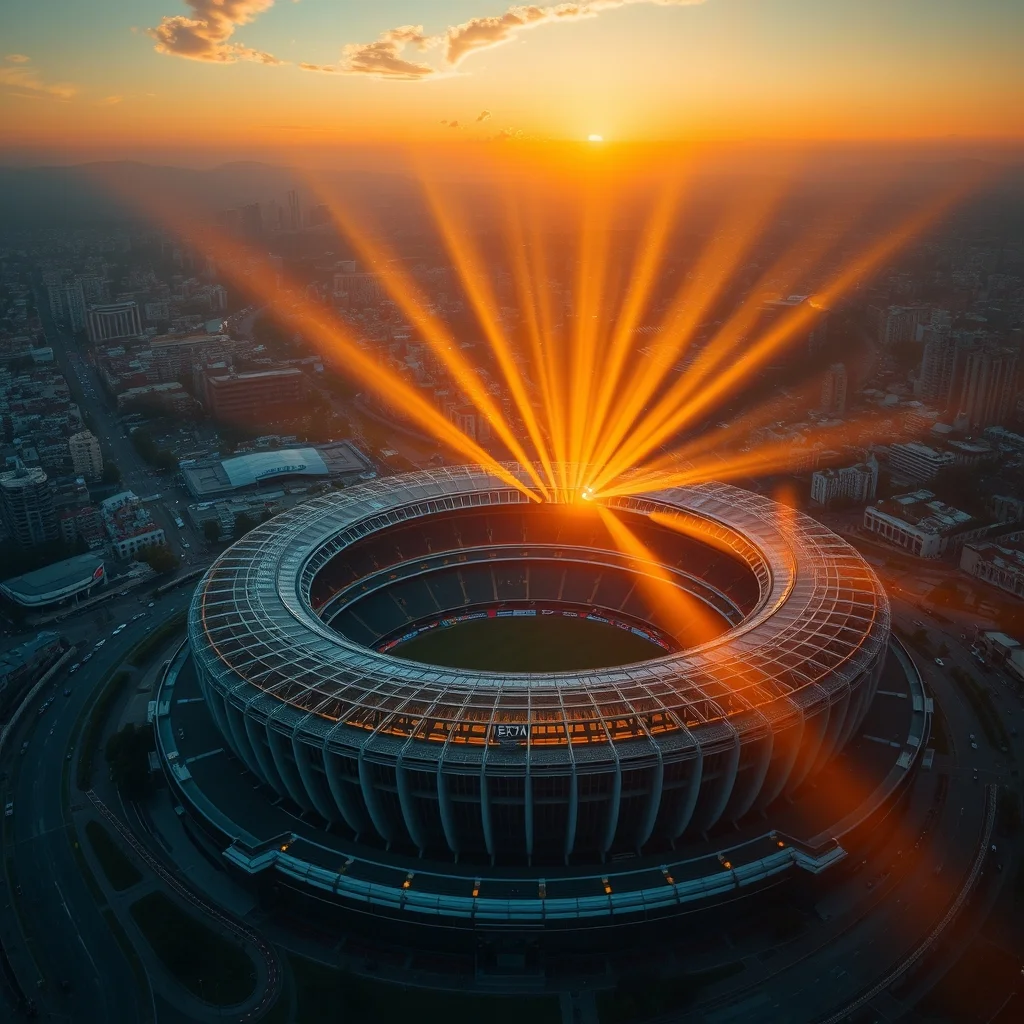
Estadio Azteca isn't just a stadium—it's a monument to football itself. With a capacity of 87,523, this colossus has witnessed more World Cup magic than any other venue on earth. It hosted the 1970 and 1986 finals, and in 2026, it becomes the first stadium ever to host three separate World Cups. When you walk through those gates, you're walking in the footsteps of Pelé, Maradona, and every football deity who ever graced this hallowed turf. The stands rise so steeply you feel like you're suspended in mid-air, and when the crowd roars—and trust us, they will roar—the sound doesn't just echo, it reverberates through your chest cavity.
But Mexico City is so much more than its stadium. This is a megalopolis of 9 million people in the city proper and over 21 million in the metropolitan area, making it one of the largest urban areas in the Western Hemisphere. It's a place where ancient Aztec temples sit beside Spanish colonial churches, where street vendors sell tlacoyos next to hipster coffee shops serving single-origin pour-overs. The Roma and Condesa neighborhoods are leafy, walkable enclaves filled with art deco architecture, rooftop bars, and the kind of casual cool that makes you want to stay forever. Coyoacán, with its cobblestone streets and Frida Kahlo's Blue House, offers a glimpse into Mexico's artistic soul.
The altitude will hit you—there's no way around it. You'll feel breathless climbing stairs, and that first beer will go straight to your head. But that's part of the magic. The players feel it too, which is why matches here are always unpredictable, always dramatic. The ball moves differently, shots from distance suddenly become dangerous, and goalkeepers misjudge crosses they'd normally claim with ease. For fans, it means every match becomes an adventure, and every bar showing the game becomes a pressure cooker of emotion as the thin air amplifies every shout, every gasp, every collective groan.
The food scene alone is worth the trip. This isn't the Mexico of chain restaurants and sad nachos—this is the birthplace of mole, pozole, tamales, and tacos so good they'll ruin every taco you've ever eaten elsewhere. The markets like Mercado de San Juan and Mercado Roma overflow with exotic ingredients and street food that costs pennies but tastes like heaven. And when the match is over, when your voice is hoarse from singing, the city offers mezcalerías and pulquerías where locals will teach you to drink like a chilango (a Mexico City native) while debating the finer points of the offside rule until sunrise.
Where to Stay: Our Top Picks
Luxury: Four Seasons Hotel Mexico City (Paseo de la Reforma 500, USD 350-500 per night)
If you want to live like the players, the Four Seasons in the heart of Paseo de la Reforma is your palace. This isn't just a hotel—it's a restored 19th-century mansion wrapped around a courtyard fountain, where mariachi bands serenade you at Sunday brunch and the concierge can secure impossible reservations. The rooms are spacious, the beds are clouds, and the location puts you within walking distance of the Ángel de la Independencia monument and the best restaurants in the city. Book the Reforma 500 Bar for pre-match cocktails where you'll rub shoulders with football journalists and wealthy fans from around the world. The staff speaks every language imaginable and understands that during World Cup, check-out time is flexible because nobody sleeps during a tournament.
✈️🏨 Book your trip: Find flights and hotels to Mexico City on Trip.com — best prices, easy booking!
Mid-Range: Hotel Carlota (Calle Río Amazonas 73, Colonia Juárez, USD 120-180 per night)
Hotel Carlota captures everything we love about Mexico City's design-forward sensibility without the luxury price tag. Located in the trendy Juárez neighborhood, this boutique property features minimalist rooms with floor-to-ceiling windows, a gorgeous courtyard pool, and a ground-floor restaurant that serves breakfast until noon (essential for hungover fans). The Condesa and Roma neighborhoods are a 15-minute walk away, and you're perfectly positioned to explore the city's best cantinas and watch parties. The rooftop bar becomes an unofficial fan zone during matches, with a projector screen and craft beer selection that includes Mexican microbrews you've never heard of. The communal tables mean you'll make friends fast—we met a group of Brazilian fans here in 2018 who we still follow on Instagram.
Hotel Parque México (Michoacán 39, Condesa, USD 90-140 per night) is another excellent mid-range choice, literally overlooking Parque México, the green heart of Condesa. Wake up, grab coffee at Blend Station across the street, and you're already living your best Mexico City life.
Budget: Hostel Mundo Joven Catedral (República de Guatemala 4, Centro Histórico, USD 15-25 per dorm bed, USD 50-70 private room)
Don't let the hostel label fool you—Mundo Joven is clean, safe, and perfectly located in the Centro Histórico, steps from the Zócalo main square and the ancient Templo Mayor ruins. The rooftop terrace has become legendary among backpacking football fans, with views of the Metropolitan Cathedral and enough space for 50+ people to watch matches on a big screen. The crowd skews young and international, which means every match becomes a United Nations of football passion. Private rooms with ensuite bathrooms are available if you want your own space, and the staff organizes pub crawls and group trips to the stadium. The Metro Zócalo station is three blocks away, giving you access to the entire city for USD 0.25 per ride.
Casa Pepe Hostel (Tabasco 303, Roma Norte, USD 18-30 per bed) offers a more intimate vibe in the heart of Roma, with a kitchen for cooking your own meals and a living room that transforms into a fan zone during matches. The neighborhood location means you're surrounded by the best bars to watch World Cup in Mexico City 2026 within stumbling distance.
✈️🏨 Book your trip: Find flights and hotels to Mexico City on Trip.com — best prices, easy booking!
The Fan Experience: Zones, Pubs & Where Your Nation Gathers
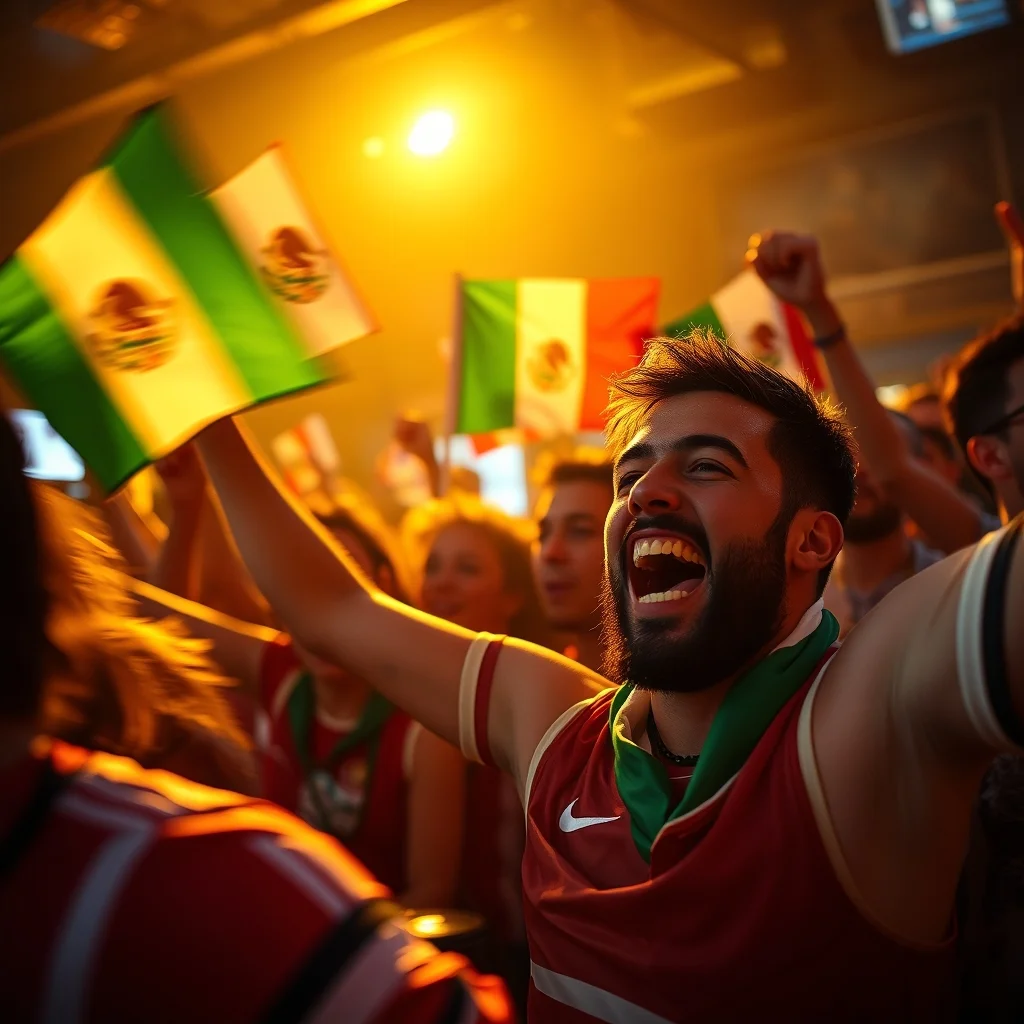
Mexico City's football culture doesn't exist in stadiums alone—it spills into every plaza, every cantina, every street corner where a TV is mounted. The official FIFA Fan Fest will take over the Zócalo, the massive main square in the Centro Histórico that can hold 100,000+ people. Imagine watching your team on giant screens surrounded by fans from every corner of the planet, with Mexican street food vendors selling elotes (grilled corn) and quesadillas, mariachi bands playing between matches, and the energy of a city that knows how to celebrate. Entry is free, but arrive early for big matches or you'll be watching from the periphery.
For the best bars to watch World Cup in Mexico City 2026, head to Condesa and Roma Norte, where every other establishment becomes a football shrine during the tournament. Pata Negra (Tamaulipas 30, Condesa) is a Spanish tapas bar that attracts expats and locals alike, with multiple screens, incredible patatas bravas, and a sound system that makes you feel like you're in the stands. Expendio de Maíz (Yucatán 84, Roma Norte) offers a more authentically Mexican experience—craft beer, traditional antojitos, and a crowd that knows their football. The Beer Factory has multiple locations (Roma, Condesa, Polanco) and is reliable for big screens, decent food, and an international crowd.
For English and Irish fans, Patrick Miller Irish Pub (Avenida Nuevo León 136, Condesa) becomes unofficial headquarters, with Guinness on tap and full English breakfasts to cure your hangover. Sports Bar La Única (Cozumel 28, Roma Norte) is a no-frills local spot with USD 2 beers during matches and a crowd that treats every game like the final. The bartenders will remember your drink order by day two, and you'll be invited to someone's house party by day three—that's just how Mexico City works.
Polanco offers a more upscale experience, with Cityzen (Emilio Castelar 163) providing craft cocktails and gourmet bar food alongside multiple screens. If your team wins, the celebration spills out onto Avenida Presidente Masaryk, the Rodeo Drive of Mexico City, where champagne flows and strangers become friends. Read also: How To Get To Estadio Azteca Mexico City Complete Transport Guide For World Cup 2026 for detailed information on reaching the stadium from any neighborhood.
🎟️ Don't miss the match: Buy World Cup 2026 tickets on StubHub — selling out fast!
Getting There & Getting Around
Benito Juárez International Airport (MEX) is your gateway, located just 8 miles from the city center. International flights flood in from every continent—expect to pay USD 400-800 from Europe, USD 300-600 from South America, and USD 200-400 from the US depending on how early you book. Terminal 1 handles most international flights, while Terminal 2 serves domestic and some international carriers. The Aerotrén connects both terminals in five minutes if you need to transfer.
Getting into the city is straightforward. The Metrobus Line 4 runs directly from Terminal 1 to downtown for USD 0.50, though navigating it with luggage during rush hour is an Olympic sport. We recommend pre-booking an airport transfer through reliable services for USD 20-30, which gets you a fixed price, air conditioning, and a driver holding a sign with your name. Uber and Didi (Mexico's Uber competitor) work from the airport but require walking to designated pickup zones—expect USD 8-15 to Condesa or Roma depending on traffic.
🚖 Stress-free arrival: Pre-book your airport transfer in Mexico City — fixed price, no surprises!
Once you're in the city, the Metro is your best friend—12 lines covering 140 miles for just USD 0.25 per ride. It gets impossibly crowded during rush hour (7-9am, 6-8pm), and women-only cars exist for a reason, but it's fast, efficient, and will get you almost anywhere. Download the Metro CDMX app to navigate. The Metrobus rapid transit system is cleaner and less crowded, using dedicated lanes to bypass traffic for USD 0.50 per ride (you'll need to buy a rechargeable card for USD 1.50).
Uber is incredibly cheap—most rides within the central neighborhoods cost USD 3-8, and drivers are generally reliable. Download Didi as a backup, as it's often slightly cheaper. Avoid regular taxis unless they're from official sitio stands at hotels or restaurants. The altitude and traffic mean journeys take longer than Google Maps suggests—add 30% to any time estimate.
📱 Stay connected in the USA: Get your eSIM before you fly — no roaming charges, works instantly on arrival!
Don't Miss These Experiences
1. Lucha Libre at Arena México
Mexican wrestling isn't just sport—it's theater, comedy, and acrobatics wrapped in spandex and sequins. Arena México (Doctor Lavista 197, Doctores) hosts shows Tuesday, Friday, and Sunday nights for USD 5-20 depending on your seat. The crowd is half locals, half tourists, everyone screaming at masked heroes and villains performing death-defying moves. Go for the Friday night show when the best luchadores perform, buy a mask from the vendors outside for USD 5, and prepare to have your entire understanding of sports entertainment transformed. The energy rivals any football match, and you'll leave hoarse from cheering for técnicos (good guys) against rudos (villains).
2. Teotihuacán Pyramids at Sunrise
Wake up at 4am (you'll be jet-lagged anyway) and join a sunrise tour to Teotihuacán, the ancient city of pyramids built 2,000 years ago. Climbing the Pyramid of the Sun as dawn breaks over the Valley of Mexico is genuinely spiritual—you're standing where Aztec emperors stood, looking out over a civilization that predates European contact by centuries. Tours cost USD 40-60 including transport and a guide, or take the public bus from Terminal Central del Norte for USD 3 if you're adventurous. Arrive early to beat the crowds and the heat. The site is massive—allow 3-4 hours minimum. Stop at the nearby restaurant La Gruta (literally inside a cave) for lunch and mezcal before heading back to the city.
🎯 Book in advance: Explore Mexico City tours and experiences on GetYourGuide — skip the queues!
3. Xochimilco Floating Gardens
Rent a trajinera (colorful gondola-style boat) in Xochimilco, the ancient canal system that's all that remains of the lakes that once covered the Valley of Mexico. For USD 25-40 per hour (boats hold up to 20 people, so split the cost), you'll float through waterways lined with chinampas (floating gardens) while mariachi bands on their own boats pull alongside to serenade you for USD 10-20 per song. Vendors sell beer, tacos, and even full meals from passing boats. It's touristy, chaotic, and absolutely essential. Go on a Sunday when locals flood the canals for family outings, bringing coolers of beer and portable speakers blasting cumbia. The party atmosphere is infectious, and you'll make friends with the boat next to yours within minutes.
4. Frida Kahlo Museum (Casa Azul)
The Blue House in Coyoacán (Londres 247) where Frida Kahlo was born and died is now a museum that draws 500,000+ visitors annually. Tickets are USD 12 and must be booked online days in advance—don't even think about showing up without a reservation. The house preserves Frida's studio, her wheelchair, her clothes, and the bed where she painted some of her most famous self-portraits. The gardens are filled with pre-Columbian sculptures Diego Rivera collected, and the kitchen still has her name painted on the wall. Allow 90 minutes minimum. Afterward, explore Coyoacán's main square, where street performers, artisan markets, and cafés create a village atmosphere that feels worlds away from the urban chaos. Get churros from El Moro (Eje Central Lázaro Cárdenas 42) and coffee at Café El Jarocho (Cuauhtémoc 134)—both are institutions.
🎯 Book in advance: Explore Mexico City tours and experiences on GetYourGuide — skip the queues!
5. Anthropology Museum
The Museo Nacional de Antropología (Paseo de la Reforma, Polanco) is the finest museum in Latin America, period. The collection spans 45,000 years of Mexican history, from the first humans to cross the Bering Strait to the fall of the Aztec Empire. The Aztec Sun Stone (mistakenly called the Aztec Calendar) dominates the central hall—a 24-ton carved disc that's become Mexico's most iconic symbol. The Mayan section features treasures from Palenque, the Olmec room displays the massive stone heads, and the Teotihuacán exhibit explains the pyramids you just climbed. Entry is USD 4 (one of the world's great bargains), and you'll need 3-4 hours minimum to do it justice. The building itself, designed by Pedro Ramírez Vázquez and completed in 1964, is a modernist masterpiece with a central courtyard featuring an umbrella-shaped fountain that creates rain.
Your Day-by-Day Budget Breakdown
| Expense Category | Budget | Mid-Range | Luxury |
|---|---|---|---|
| Accommodation (per night) | USD 15-25 (hostel dorm) | USD 90-140 (boutique hotel) | USD 350-500 (5-star) |
| Breakfast | USD 3-5 (street food) | USD 8-12 (café) | USD 20-30 (hotel) |
| Lunch | USD 5-8 (tacos/tortas) | USD 12-18 (casual restaurant) | USD 30-50 (upscale) |
| Dinner | USD 8-12 (local comedor) | USD 20-35 (nice restaurant) | USD 60-100 (fine dining) |
| Drinks/Bars | USD 10-15 (local cerveza) | USD 20-35 (craft beer/cocktails) | USD 50-80 (premium bars) |
| Local Transport | USD 2-5 (Metro/Metrobus) | USD 10-15 (Uber) | USD 20-40 (private car) |
| Activities | USD 5-10 (museums) | USD 30-50 (tours) | USD 100-150 (private experiences) |
| Match Day | USD 15-25 (fan zone/bar) | USD 30-50 (sports bar) | USD 100+ (VIP lounge) |
| TOTAL PER DAY | USD 58-100 | USD 220-355 | USD 730-1,050 |
Insider Tips Before You Go
• Altitude adjustment is real: Arrive 3-4 days early if possible. Drink twice as much water as you think you need, limit alcohol the first 48 hours (we know, it's hard during a World Cup), and don't be surprised if you're breathless climbing stairs. The players struggle too—that's why matches here are always wild.
• Water safety: Don't drink tap water, even in nice hotels. Brush your teeth with bottled water for the first few days. Ice in established restaurants and bars is fine (made from purified water), but use judgment in street stalls. We've eaten street food for weeks without issue, but everyone's stomach is different.
• Cash is king: Many smaller restaurants, markets, and street vendors don't accept cards. ATMs are everywhere, but use ones inside banks during business hours for safety. Carry small bills—nobody can change a 500 peso note (USD 30) for a 30 peso taco.
• Safety is situational: Condesa, Roma, Polanco, and Coyoacán are very safe. Centro Histórico is fine during the day but sketchy late at night. Avoid Tepito and Iztapalapa entirely. Don't flash expensive cameras or jewelry, use Uber at night instead of street taxis, and trust your instincts. Mexico City is safer than its reputation, but it's still a massive city—use common sense.
• Language helps: Learning basic Spanish transforms your experience. "Una cerveza, por favor" (one beer, please), "¿Cuánto cuesta?" (how much?), and "¡Goooool!" will get you surprisingly far. Mexicans appreciate the effort and will help you even with terrible pronunciation. Download Google Translate with offline Spanish for emergencies.
🛡️ Protect your trip: Get travel insurance for your World Cup adventure — covers flights, cancellations and medical emergencies.
The thing about Mexico City during a World Cup is that the football becomes inseparable from the city itself. Every taco tastes better when your team wins. Every mezcal shot burns sweeter when shared with strangers who become friends. Every sunrise over the pyramids feels like a promise that today might be the day your nation makes history. This isn't just about watching matches—it's about experiencing football in a place where the game isn't entertainment, it's identity. Where 87,000 people in Estadio Azteca create noise that shakes the mountains. Where the best bars to watch World Cup in Mexico City 2026 aren't just venues, they're pilgrimage sites for the faithful. Book your flights now, before prices skyrocket. Reserve your hotel before they sell out. Get your tickets before they're gone. Because when you're standing in the Zócalo at midnight, surrounded by fans from fifty countries, all singing the same songs in different languages, you'll understand why we travel halfway around the world to watch 22 people kick a ball. This is Mexico City. This is the World Cup. This is where you need to be.
Plan Your Perfect World Cup Trip
Our free AI Itinerary Planner builds a day-by-day schedule tailored to your matches, budget, and interests — in seconds.
Build My Itinerary →Official Fan Gear & Merch
Jerseys, hats, and collectibles — get yours before they sell out.
🎟️ Recommended Experiences
Top-rated activities near Mexico City.