Complete guide: How to Get to Estadio Azteca Mexico City Complete Transport Guide for World Cup 2026. Hotels, flights, fan zones and insider tips for World Cup
The moment you step off the plane at Benito Juárez International Airport, Mexico City hits you like a wave of pure electricity. The air is thinner here at 7,350 feet above sea level, and your heart races not just from the altitude but from the sheer magnitude of what's about to unfold. This is it. The World Cup 2026 on Mexican soil, where football isn't just a sport—it's a religion, a way of life, a collective heartbeat that pulses through every street corner, every taco stand, every cantina in this sprawling megalopolis of 22 million souls.
And at the centre of it all stands Estadio Azteca, the cathedral of football, the colossus where Pelé lifted the Jules Rimet trophy in 1970 and Maradona scored the Hand of God in 1986. This isn't just any World Cup venue. This is hallowed ground. Walking through those tunnels, feeling the weight of history pressing down on your shoulders, knowing that you're about to witness something that will echo through generations—that's what makes the journey to Mexico City worth every single mile, every connection, every moment of planning.
We're here to make sure you experience it all without missing a single beat. From the second you book your flight to the moment you're singing your national anthem in that magnificent bowl, we've got you covered with everything you need to know about How to Get to Estadio Azteca Mexico City Complete Transport Guide for World Cup 2026.
Best time to arrive: 3-4 days before the match Budget per day: USD 80-150 per day estimate Getting around: Metro Line 2 / Uber / Metrobús Must-book in advance: Hotels near Polanco or Roma Norte, match tickets, stadium tour passes
Why Mexico City Will Blow Your Mind During World Cup 2026
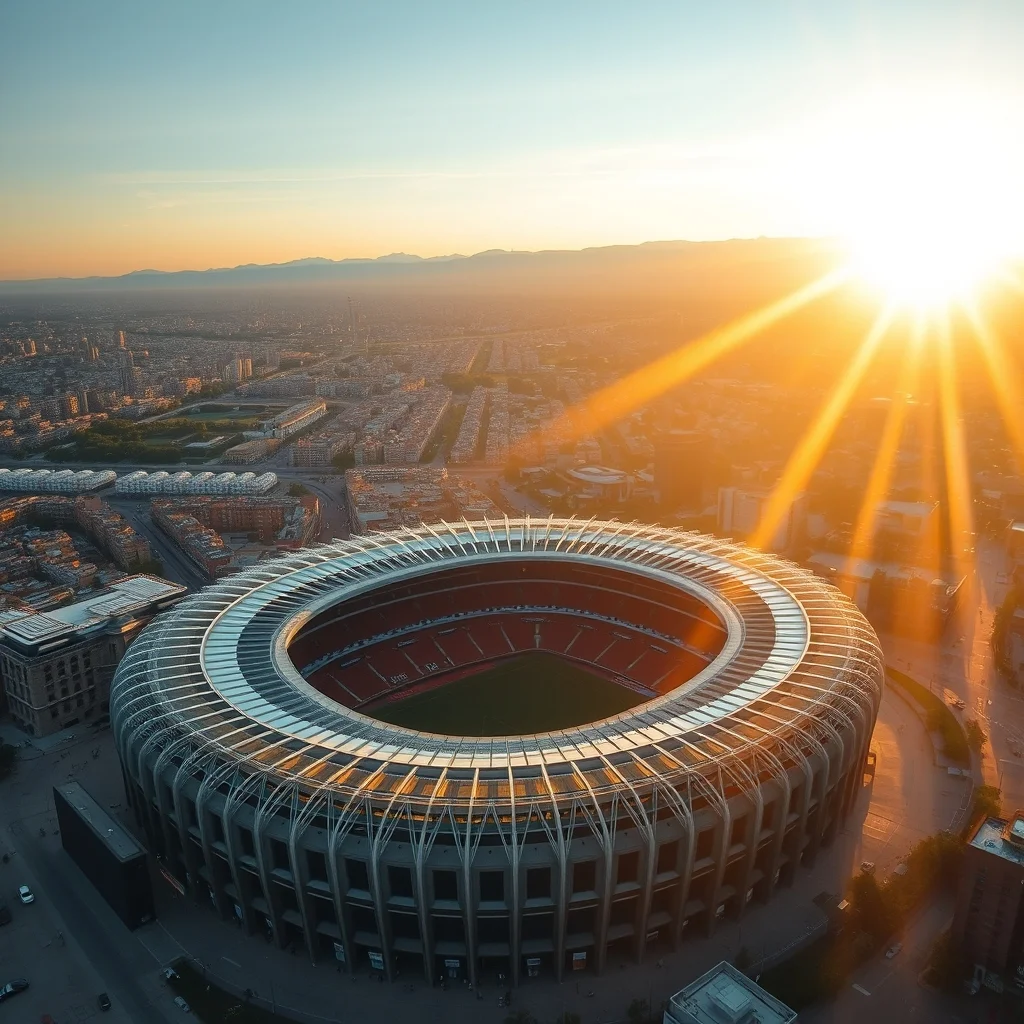
Estadio Azteca isn't just big—it's colossal. With a capacity of 87,523, it's the third-largest football stadium in the world and the only one to have hosted two World Cup finals. The stadium sits in the Coyoacán borough, in the southern reaches of Mexico City, and the journey there becomes part of the pilgrimage. The concrete giant rises from the urban landscape like a UFO that decided to stay, its distinctive circular design visible from miles away.
But here's what the guidebooks won't tell you: the energy inside Estadio Azteca is unlike anything you've experienced. The Mexican fans, even when they're not playing, create an atmosphere that makes your chest vibrate. The altitude means every sprint feels like a marathon, every goal celebration leaves you gasping for breath, and the ball moves differently through the thin air—faster, more unpredictable, more dramatic. Players who've competed here talk about it with a mixture of respect and trepidation. You'll understand why within minutes of kickoff.
The stadium underwent a massive USD 150 million renovation completed in 2023, adding modern facilities while preserving its iconic character. The new seats are wider, the sightlines improved, and there's actually decent WiFi now. But they kept what matters: the steep stands that put you right on top of the action, the tunnel where legends have walked, the pitch where miracles have happened.
Beyond the stadium, Mexico City itself is a revelation. This is one of the world's great metropolises, where ancient Aztec ruins sit beside colonial churches and cutting-edge contemporary architecture. The Historic Centre is a UNESCO World Heritage site with the stunning Zócalo plaza and Metropolitan Cathedral. The Chapultepec Park is larger than New York's Central Park and houses world-class museums. The neighbourhoods of Roma and Condesa overflow with Art Deco buildings, sidewalk cafes, and the kind of street life that makes you want to cancel your return flight.
And the food. Dear God, the food. Forget everything you think you know about Mexican cuisine. The tacos al pastor from El Huequito in the city centre will ruin you for all other tacos. The mole at Pujol, ranked among the world's best restaurants, is a USD 180 tasting menu that justifies every cent. But honestly, some of the best meals we've had cost USD 5 from street vendors who've been perfecting their craft for decades. This is a city that feeds your soul as much as your stomach.
✈️🏨 Book your trip: Find flights and hotels to Mexico City on Trip.com — best prices, easy booking!
Watching the Match From Abroad?
Geo-blocking will stop you accessing BBC, ESPN, Peacock or your home broadcaster from outside your country. NordVPN unblocks every major streaming service in seconds — so you never miss a goal. Currently 65% off.
🔓 Get NordVPN — 65% Off →Where to Stay: Our Top Picks for World Cup 2026
Location is everything when planning your World Cup 2026 travel to Mexico City. The city is massive—one of the largest urban areas on Earth—and traffic can turn a 10-kilometre journey into a two-hour ordeal. Our strategy: stay in the trendy neighbourhoods of Polanco, Roma Norte, or Condesa, where you'll find excellent restaurants, nightlife, and Metro access, then plan your match-day transport carefully.
LUXURY TIER (USD 250-450 per night):
The Four Seasons Mexico City in Polanco occupies a restored colonial-era mansion and offers the kind of service that makes you feel like visiting royalty. Rooms start at USD 380 per night during the World Cup, and you're walking distance from the Museo Soumaya and upscale shopping on Avenida Presidente Masaryk. The courtyard restaurant serves breakfast that's worth waking up for, and the concierge team can arrange everything from stadium transfers to private tequila tastings.
Las Alcobas in Polanco is our other luxury pick, more contemporary and design-focused, with rooms from USD 320 per night. The rooftop terrace has views across the city, and the in-house restaurant by chef Martha Ortiz is a destination in itself. Both properties understand football fans and will have match-day packages including early breakfasts and late checkouts.
MID-RANGE (USD 120-200 per night):
Hotel Carlota in Cuauhtémoc perfectly captures Mexico City's creative energy. This boutique property costs around USD 150 per night and sits in a converted 1950s building with a pool, excellent coffee shop, and regular DJ nights. It's a 15-minute walk to the Insurgentes Metro station, which connects directly to the line serving Estadio Azteca.
In Roma Norte, Casa Comtesse offers individually designed rooms from USD 135 per night in a beautifully restored mansion. The neighbourhood is perfect for exploring on foot, with the Mercado Roma food hall three blocks away and dozens of cantinas and mezcalerías within stumbling distance. The Chilpancingo Metro station is a ten-minute walk.
La Valise in Roma Norte is another gem, with just 12 rooms starting at USD 180 per night. It feels like staying at a wealthy friend's home, with curated art, a small pool, and staff who genuinely care about your experience.
BUDGET-CONSCIOUS (USD 50-100 per night):
Selina Mexico City in the Historic Centre offers dorm beds from USD 25 and private rooms from USD 65 per night. It's a social hostel that attracts travellers from around the world, with a rooftop bar, co-working spaces, and organized pub crawls. The Zócalo Metro station is two blocks away.
Chaya B&B in Roma Norte provides private rooms with shared bathrooms from USD 55 per night in a charming early 20th-century building. The owner, Patricia, knows everything about Mexico City and will draw custom maps showing you where to eat, drink, and explore. Book directly through their website for the best rates.
For the ultimate budget option, Hostel Home near the Coyoacán neighbourhood costs just USD 18 for dorm beds and USD 50 for private rooms. You're closer to the stadium here—about 20 minutes by Uber—but farther from the city's main nightlife zones. Perfect if you're prioritizing match-day convenience and don't mind quieter evenings.
✈️🏨 Book your trip: Find flights and hotels to Mexico City on Trip.com — best prices, easy booking!
The Fan Experience: Zones, Pubs & Where Your Nation Gathers
Mexico City during FIFA 2026 Mexico City matches will transform into one giant fan zone. The official FIFA Fan Festival will take over the Zócalo, the massive main square in the Historic Centre, with capacity for 50,000 fans. Giant screens, live music, food stalls selling everything from tlayudas to craft beer, and fans from every competing nation creating the kind of atmosphere that gives you goosebumps. Entry is free, but get there early for matches involving Mexico or other major teams—it fills up fast.
The neighbourhoods will organize their own viewing parties too. Condesa and Roma are where the cosmopolitan crowd gathers, with dozens of bars showing matches on big screens. Pata Negra in Condesa is a Spanish tapas bar that becomes ground zero for Spanish fans, while Limantour, one of the world's best cocktail bars, will have special match-day menus. Xaman Bar in Roma Norte has the biggest screen we've found outside the official zones and serves excellent Mexican craft beer from Cervecería de Colima and Cervecería Insurgente.
For English-speaking fans, The Flea Market in Roma has been the expat sports bar for years, with proper Sunday roasts and Premier League on every screen. Hooters near the Angel de la Independencia might lack authenticity but has reliable coverage and draws international crowds. The Hard Rock Cafe in the Historic Centre will host watch parties with DJs and themed nights.
Here's an insider tip: the Pulquería Las Duelistas in the Historic Centre serves pulque, the ancient fermented agave drink, and will be showing matches with a distinctly local crowd. It's raw, authentic, and the kind of place where you'll make friends with Mexican fans who'll teach you the best chants. Pulque costs around USD 2 per litre, and the atmosphere is priceless.
The Coyoacán neighbourhood, closer to Estadio Azteca, has a more family-friendly vibe with the beautiful Jardín Centenario plaza surrounded by cafes. Café El Jarocho has been serving legendary coffee since 1953 and will have outdoor screens during matches. The Mercado de Coyoacán nearby offers incredible street food—try the tostadas at Tostadas Coyoacán for USD 3 each.
🎯 Book in advance: Explore Mexico City tours and experiences on GetYourGuide — skip the queues!
Getting There & Getting Around: Your Complete Transport Guide
How to Get to Estadio Azteca Mexico City Complete Transport Guide for World Cup 2026 starts at Benito Juárez International Airport (MEX), located just 13 kilometres from the city centre. Most international fans will fly into here, with direct flights from major cities worldwide. From the US, expect USD 300-600 return from Los Angeles, New York, or Miami. From Europe, flights range from USD 600-1,200 return depending on the season and how far in advance you book.
Getting from the airport to your hotel is straightforward. The Metrobús Line 4 connects Terminal 1 directly to the city centre for just USD 0.50, though navigating with luggage during rush hour is challenging. We recommend Uber for USD 12-18 to Roma or Condesa, or USD 15-22 to Polanco. The ride takes 25-45 minutes depending on traffic. Alternatively, official airport taxis cost USD 20-30 with fixed rates you pay at the terminal counter.
🚖 Stress-free arrival: Pre-book your airport transfer in Mexico City — fixed price, no surprises!
Now, the crucial part: getting to Estadio Azteca on match day. The stadium is in the Tlalpan district, about 15 kilometres south of the city centre. The Metro Line 2 (Blue Line) stops at Tasqueña station, where you transfer to the Tren Ligero light rail heading to Estadio Azteca station. Total journey time from central neighbourhoods: 45-60 minutes. Cost: USD 0.25 for the Metro plus USD 0.15 for the Tren Ligero. Yes, seriously, less than 50 cents.
But here's the reality: on match days, the Metro will be absolutely packed. Shoulder-to-shoulder, barely-able-to-breathe packed. It's an experience, and it's safe, but factor in extra time and protect your valuables. The atmosphere is incredible though—everyone's singing, chanting, heading to the same place with the same electricity in their veins.
The alternative is Uber or taxi, which costs USD 12-20 from central neighbourhoods but can take anywhere from 40 minutes to two hours depending on traffic. Leave at least three hours before kickoff if you're driving. The Metrobús Line 2 also runs to Estadio Azteca and is less crowded than the Metro, costing USD 0.50 and taking about 50 minutes from the city centre.
For getting around the city generally, the Metro is incredibly cheap, efficient, and covers most areas you'll want to visit. It costs USD 0.25 per ride regardless of distance. Download the Metro CDMX app to navigate the 12 lines. Uber is abundant and affordable—most rides within central neighbourhoods cost USD 3-6. Just be aware that traffic is heavy between 7-10am and 5-9pm on weekdays.
📱 Stay connected in the USA: Get your eSIM before you fly — no roaming charges, works instantly on arrival!
Don't Miss These Experiences Beyond the Stadium
1. Teotihuacán Pyramids at Sunrise
Wake up at 4am—we know, we know—and take the early tour to Teotihuacán, the ancient city built around 100 BC. Climbing the Pyramid of the Sun as dawn breaks over the Valley of Mexico is genuinely spiritual. Tours cost USD 45-70 including transport and guide, or go independently by bus from Terminal del Norte for USD 3 each way. Get there before the crowds and the heat. The site opens at 8am, but tour groups with early access arrive at 6am. Being alone on top of those pyramids, looking out over structures built by a civilization that disappeared centuries before the Aztecs arrived—it puts football, life, everything into perspective. Read also: Yes: Complete 2026 Guide for more pre-tournament planning inspiration.
2. Lucha Libre at Arena México
Mexican wrestling is pure theatre, and Arena México hosts the best matches every Tuesday, Friday, and Sunday night. Tickets range from USD 5 for nosebleed seats to USD 25 for ringside, where you might get splashed with sweat. The masks, the drama, the flying body slams—it's absurd and magnificent. Go with a group, buy beers from the vendors walking the aisles, and cheer for the técnicos (good guys) or rudos (bad guys). The Cuauhtémoc Metro station is three blocks away.
3. Xochimilco Trajineras Party Boats
Rent a trajinera, the colourful gondola-style boats that float through the ancient canals of Xochimilco, a UNESCO World Heritage site. It costs USD 25-35 per hour for a boat that holds up to 15 people. Bring your own food and drinks, hire the floating mariachi bands for USD 10 per song, and spend an afternoon drifting through waterways that have existed since Aztec times. On weekends, it's a massive floating party with boats full of families, university students, and tourists all mixing together. Go to the Nuevo Nativitas dock for a slightly less touristy experience.
4. Frida Kahlo's Blue House in Coyoacán
The Museo Frida Kahlo in the Coyoacán neighbourhood preserves the artist's home exactly as she left it. The cobalt blue walls, the studio where she painted, the garden where she found solace—it's intimate and powerful. Tickets cost USD 12 and must be booked online days in advance during peak season. Afterward, explore Coyoacán's colonial streets, visit the Leon Trotsky Museum three blocks away (where the exiled revolutionary was assassinated), and eat lunch at Los Danzantes for modern Mexican cuisine with mescal pairings.
5. Chapultepec Castle Sunset
Castillo de Chapultepec sits atop a hill in the massive Chapultepec Park and offers panoramic views across Mexico City. This former imperial palace costs USD 4 to enter and houses the National Museum of History. Time your visit for late afternoon, explore the opulent rooms where Emperor Maximilian lived, then watch the sun set over the sprawling city below. On clear days, you can see the snow-capped volcanoes Popocatépetl and Iztaccíhuatl in the distance. The Chapultepec Metro station drops you at the park entrance, then it's a 20-minute uphill walk through beautiful forest paths.
🎯 Book in advance: Explore Mexico City tours and experiences on GetYourGuide — skip the queues!
Your Day-by-Day Budget Breakdown
| Category | Budget Option | Mid-Range | Luxury |
|---|---|---|---|
| Accommodation (per night) | USD 25-60 (hostel/budget hotel) | USD 120-180 (boutique hotel) | USD 300-450 (5-star hotel) |
| Breakfast | USD 3-5 (street food/cafe) | USD 8-12 (restaurant) | USD 20-30 (hotel buffet) |
| Lunch | USD 5-8 (street tacos/market) | USD 15-25 (casual restaurant) | USD 40-60 (upscale dining) |
| Dinner | USD 8-12 (local comedor) | USD 25-40 (good restaurant) | USD 80-150 (fine dining) |
| Local Transport | USD 2-5 (Metro/Metrobús) | USD 10-20 (Mix of Metro/Uber) | USD 30-50 (Taxis/Uber) |
| Match Day Transport | USD 1 (Metro to stadium) | USD 15 (Uber to stadium) | USD 40 (Private transfer) |
| Drinks/Nightlife | USD 10-20 (local bars/beer) | USD 30-50 (cocktail bars) | USD 80-120 (upscale venues) |
| Activities/Tours | USD 10-20 (museums/self-guided) | USD 40-70 (guided tours) | USD 100-200 (private experiences) |
| Match Ticket | USD 150-300 (upper tier) | USD 300-600 (mid-tier) | USD 800-2000+ (premium seats) |
| DAILY TOTAL | USD 80-120 | USD 150-250 | USD 400-700+ |
🎟️ Don't miss the match: Buy World Cup 2026 tickets on StubHub — selling out fast!
Insider Tips Before You Go
Altitude is real: Mexico City sits at 7,350 feet elevation. You'll feel breathless walking up stairs, and alcohol hits harder. Arrive 2-3 days before the match to acclimatize. Drink more water than you think you need—the air is dry and thin. Locals swear by té de coca (coca leaf tea) to help with altitude sickness, available at most markets for USD 2 per box.
Cash is still king: While cards work at hotels and established restaurants, street food vendors, markets, and small shops operate on cash. ATMs are everywhere but use ones inside banks or shopping centres for security. Withdraw larger amounts to minimize fees—USD 100-200 at a time. Exchange rates at the airport are terrible; use ATMs for better rates. Keep small bills (20 and 50 peso notes) for taxis and street purchases.
Safety is about awareness: Mexico City is generally safe in tourist areas, but use common sense. Don't flash expensive cameras or jewelry, keep phones in front pockets, and avoid empty streets late at night. Uber is safer than hailing street taxis. The Roma, Condesa, Polanco, and Coyoacán neighbourhoods are very safe. The Tepito neighbourhood near the Historic Centre has a reputation for pickpocketing—avoid it unless you're with a local guide.
Learn basic Spanish phrases: English isn't widely spoken outside tourist zones. Download Google Translate with offline Spanish. Key phrases: "¿Cuánto cuesta?" (How much?), "La cuenta, por favor" (The bill, please), "¿Dónde está el metro?" (Where's the Metro?). Mexicans appreciate any effort to speak Spanish and will help you enthusiastically even if you butcher the pronunciation.
Book everything early: Hotels near the stadium and in popular neighbourhoods will be completely full during World Cup 2026. Book at least 6-8 months in advance. Match tickets through official FIFA channels sell out within hours. Restaurant reservations at top spots like Pujol, Quintonil, or Sud 777 should be made 2-3 months ahead. Stadium tours and popular museum time slots fill up fast too—book online before you arrive.
🛡️ Protect your trip: Get travel insurance for your World Cup adventure — covers flights, cancellations and medical emergencies.
Your Journey Awaits at the Cathedral of Football
There's a reason Estadio Azteca has hosted more World Cup matches than any other stadium on Earth. There's a reason players talk about it with reverence decades after they've hung up their boots. And there's a reason that walking through those tunnels, hearing the roar of nearly 90,000 voices, feeling the thin air burning in your lungs as you climb to your seat—there's a reason that moment stays with you forever.
World Cup 2026 in Mexico City isn't just another tournament stop. It's a pilgrimage to the spiritual home of football in the Americas. It's street tacos at 2am after a night of celebrating with strangers who became friends. It's the view from Chapultepec Castle at sunset, the city sprawling endlessly in every direction. It's mariachi bands on trajinera boats, ancient pyramids at dawn, and the taste of proper mole that makes you understand why people dedicate their lives to perfecting a single dish.
But most of all, it's that moment when your national anthem plays, when you're standing with thousands of your compatriots in the most legendary stadium on the continent, when everything you've planned and saved and dreamed about becomes real. That's why you're going. That's why we've
Plan Your Perfect World Cup Trip
Our free AI Itinerary Planner builds a day-by-day schedule tailored to your matches, budget, and interests — in seconds.
Build My Itinerary →Official Fan Gear & Merch
Jerseys, hats, and collectibles — get yours before they sell out.
🎟️ Recommended Experiences
Top-rated activities near Mexico City.