Everything you need to know about Estadio Azteca for World Cup 2026 — history, capacity, how to get there, seating, fan tips and what makes this stadium legenda
The taxi climbs through the sprawling chaos of Mexico City, past taco stands pumping smoke into the afternoon heat, past murals of Diego and Frida, past street vendors hawking jerseys in every colour imaginable. Then you see it. Rising from the valley like a concrete colosseum, Estadio Azteca commands the southern skyline with the weight of history itself. This isn't just a stadium. This is where Pelé lifted his third World Cup. This is where Maradona scored the Hand of God and the Goal of the Century in the same afternoon. This is where 87,000 voices become a single roar that shakes the earth beneath your feet. And in 2026, we're going back. The Estadio Azteca World Cup 2026 stadium guide begins here, at 2,240 metres above sea level, where the air is thin, the passion is thick, and football history waits to be written again.
We've walked these streets. We've felt the altitude steal our breath as we climbed the stadium steps. We've eaten street tacos at 2am outside the gates, still buzzing from a match that ended hours ago. Mexico City doesn't just host football—it lives it, breathes it, bleeds it in green, white and red. And when the world arrives in June 2026, this cathedral of football will welcome us all home.
Best time to arrive: 3-4 days before the match Budget per day: USD 80-150 per day estimate (mid-range) Getting around: Metro Line 2 to Taxqueña, Uber, Metrobús Must-book in advance: Hotels near Coyoacán or Roma Norte, match tickets, stadium tour
Why Estadio Azteca Will Blow Your Mind
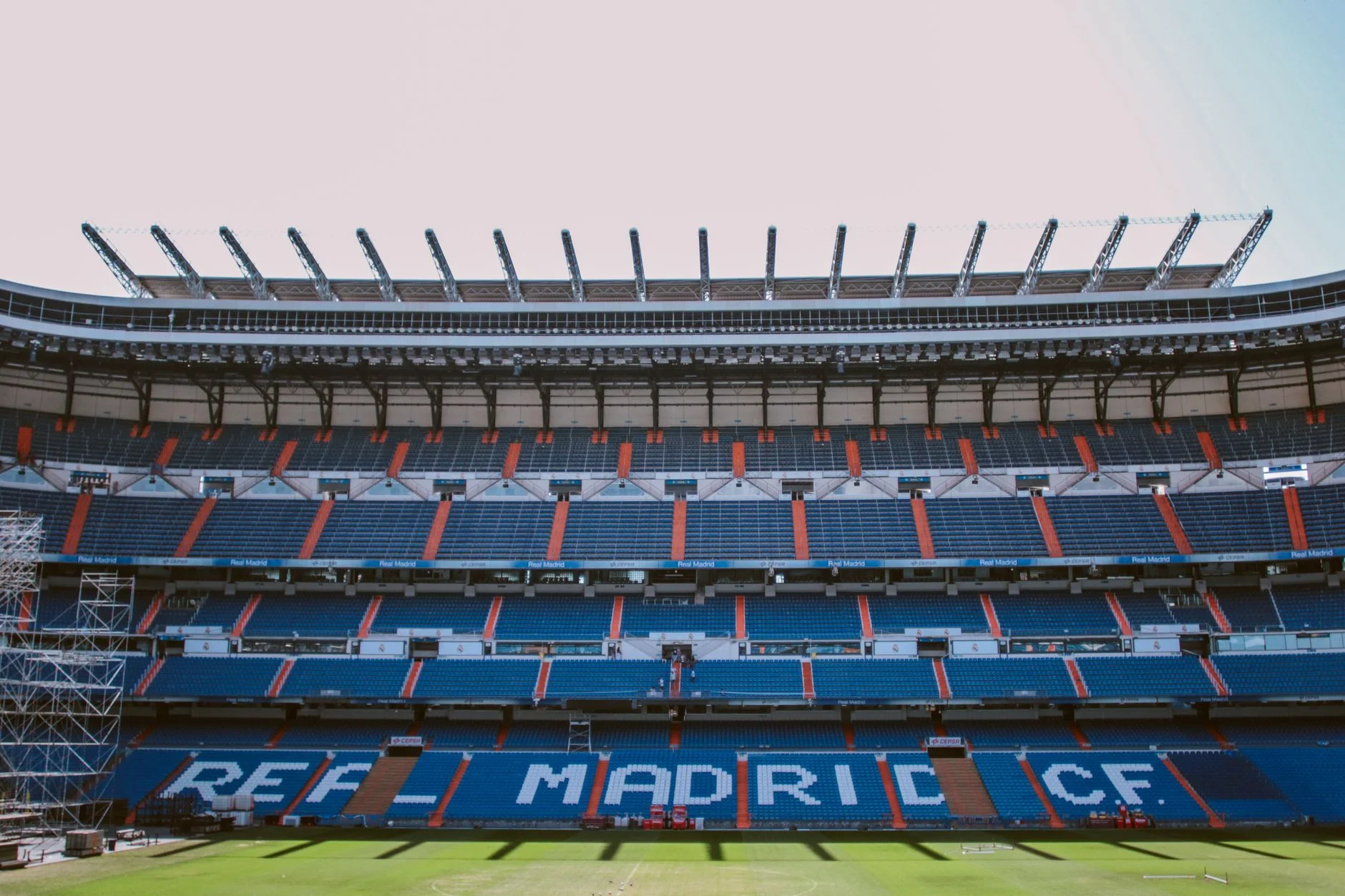
The Estadio Azteca isn't just hosting World Cup 2026 matches—it's making history as the first stadium ever to host three separate World Cups. Built in 1966, this temple of football has witnessed moments that transcend sport itself. The Azteca capacity officially stands at 87,523, though locals will tell you they've crammed 114,600 inside for particularly special occasions. When you walk through the tunnel onto that pitch, you're walking where legends walked. Where Pelé cried tears of joy in 1970. Where Maradona danced through England's defence in 1986. Where Hugo Sánchez scored overhead kicks that defied physics.
The Estadio Azteca history reads like football's greatest hits album. Home to Club América and occasionally Cruz Azul, this venue has hosted two World Cup finals, Copa América finals, Olympic football, and concerts by everyone from Michael Jackson to U2. The stadium sits in the Tlalpan borough, specifically in the Santa Úrsula neighbourhood, surrounded by working-class barrios where football isn't entertainment—it's religion. The altitude here will test every player's lungs, and visiting teams have famously struggled with the thin air. But for fans? It just means we need to pace ourselves on the mezcal.
Getting to Estadio Azteca requires navigating Mexico City's sprawling urban landscape, but the journey itself becomes part of the experience. The stadium rises from a sea of concrete and colour, visible from kilometres away, a beacon drawing pilgrims from across the globe. The Mexico City stadium tour operates year-round and is absolutely essential—for around USD 15-20, you'll walk through the players' tunnel, sit in the dugouts, visit the trophy room where two World Cup finals are immortalized, and stand on the pitch where football history was made. Book this the day after you arrive, before match day, so you can truly appreciate the weight of where you'll be sitting when your nation takes the field.
The surrounding neighbourhood explodes with life on match days. Street vendors line every approach selling scarves, flags, tortas, and cold beer from coolers. Mariachi bands compete with drum circles. The smell of grilled carne asada mixes with diesel fumes and anticipation. This is Mexican football culture in its purest form—loud, proud, chaotic, and utterly intoxicating. The stadium itself has been renovated multiple times, most recently with new seats, improved facilities, and better accessibility, but it retains that raw, intimidating atmosphere that makes it one of football's most feared venues.
Where to Stay: Our Top Picks
Mexico City is massive—home to over 21 million people—so choosing the right neighbourhood matters enormously. Forget staying near the stadium itself; the surrounding areas lack the infrastructure and safety standards you'll want. Instead, base yourself in the city's vibrant central neighbourhoods and travel to matches. Read also: Mexico City Hotels Near Estadio Azteca — World Cup 2026 Complete Guide for deeper accommodation insights.
Luxury: Condesa & Polanco (USD 180-350 per night)
For those wanting world-class comfort, Condesa and Polanco deliver European-style elegance with Mexican soul. Las Alcobas in Polanco (from USD 280/night) offers minimalist luxury with rooftop views and a Michelin-quality restaurant. In Condesa, Condesa DF (from USD 220/night) sits in a stunning art deco building with a rooftop bar that becomes the centre of the football universe during tournaments. Both neighbourhoods overflow with exceptional restaurants—think Pujol (ranked among the world's best) and Quintonil—alongside craft cocktail bars and leafy parks perfect for recovering from altitude and tequila. The Metro and Uber connections are excellent, with the stadium about 35-45 minutes away depending on traffic.
Mid-Range: Roma Norte & Coyoacán (USD 80-150 per night)
Roma Norte is where we always stay. This bohemian neighbourhood pulses with street art, independent cafés, mezcalerías, and the kind of authentic energy that makes Mexico City magical. Chaya B&B (around USD 95/night) offers boutique rooms in a converted mansion, while Hotel Brick (USD 110/night) provides modern comfort with local character. The Avenida Álvaro Obregón corridor hosts dozens of restaurants and bars where football fans naturally congregate. Coyoacán, slightly south and closer to the stadium (20-25 minutes), centers around Frida Kahlo's famous blue house and cobblestone plazas. Hotel Villa Condesa (USD 85/night) and various Airbnbs here offer quieter, more residential vibes while keeping you connected to the action.
Budget: Centro Histórico & Hostels (USD 30-70 per night)
The Centro Histórico provides unbeatable value in the heart of the capital. Hotel Catedral (USD 65/night) delivers clean, simple rooms steps from the Zócalo plaza. For backpackers and solo travellers, Hostel Home in Roma (USD 25-30 for dorms, USD 60 for privates) creates instant community with fellow fans. Selina has locations in both Centro and Condesa (USD 35-80) with co-working spaces, bars, and that international hostel energy. The Metro from Centro to Taxqueña station (nearest to Azteca) takes about 45 minutes and costs less than USD 0.30—though on match days, Uber's surge pricing (USD 15-25) might be worth the comfort and speed.
✈️🏨 Book your trip: Find flights and hotels to Mexico City on Trip.com — best prices, easy booking!
The Fan Experience: Zones, Pubs & Where Your Nation Gathers
Mexico City's fan culture doesn't concentrate in one sanitized "fan zone"—it spreads organically across neighbourhoods, plazas, and cantinas that have been hosting football pilgrims for decades. During World Cup 2026, expect FIFA to establish official fan zones in the Zócalo (the massive main square) and possibly Chapultepec Park, where big screens, beer gardens, and live music will create carnival atmospheres before and after matches. But the real magic happens in the neighbourhoods.
Roma Norte and Condesa will become unofficial international headquarters. Bars like Pata Negra (Spanish tapas bar on Tamaulipas), Xaman Bar (craft cocktails and football screens), and Cervecería Chapultepec (100+ craft beers) already show major matches and will be packed with fans from every nation. The beautiful thing about Mexico City is how it embraces football tribalism—you'll find English fans singing alongside Argentinians, Germans sharing tables with Brazilians, all united by the beautiful game and excellent mezcal. Expect to pay USD 4-6 for local beers, USD 8-12 for cocktails.
La Lupita in Condesa serves incredible tacos until 4am and has become legendary among travelling football fans for post-match celebrations. Salón Malafama nearby offers pulque (traditional fermented agave drink) and live music in a space that feels authentically Mexican rather than tourist-oriented. For English speakers specifically, The Fifty Mils bar at the Four Seasons and Jules Basement in Polanco attract expat crowds who'll be organizing viewing parties and pre-match gatherings.
Closer to the stadium, the experience becomes more local and intense. The Plaza de Tlalpan area, about 10 minutes from Azteca, hosts traditional pulquerías and taquerías where local Club América fans gather before home matches. This is where you'll experience Mexican football culture at its most authentic—drum circles, street vendors selling team scarves, families in full kit, and an energy that builds from afternoon into evening. Just remember: in Mexico, football allegiances run deep. Wear your colours with pride but respect local passion, especially if you're supporting a team playing against Mexico.
🎯 Book in advance: Explore Mexico City tours and experiences on GetYourGuide — skip the queues!
Getting There & Getting Around
Flying into Mexico City means arriving at Benito Juárez International Airport (MEX), about 15km from central neighbourhoods. The new Felipe Ángeles International Airport (NLU), further north, offers fewer international connections but less congestion. From MEX, the Metrobús Line 4 reaches central areas for under USD 1, though with luggage after a long flight, we recommend pre-booking a transfer or using Uber (USD 10-18 to Roma/Condesa, 30-45 minutes depending on traffic, which is always worse than you expect).
🚖 Stress-free arrival: Pre-book your airport transfer in Mexico City — fixed price, no surprises!
Getting to Estadio Azteca from central neighbourhoods involves several options. The Metro Line 2 (blue line) runs directly to Taxqueña station, about 1km from the stadium—a 15-minute walk or quick pesero (shared minibus) ride. The Metro costs around USD 0.25 per journey and runs until midnight, though it gets absolutely packed on match days. Expect to be squeezed into carriages with hundreds of singing, chanting fans—uncomfortable but unforgettable. The Metrobús Line 2 also reaches the area with slightly more comfort.
Uber and taxis offer more convenience, especially for groups. From Roma Norte, expect to pay USD 10-15 for Uber in normal traffic, USD 20-30 with match-day surge pricing. Always allow 60-90 minutes before kickoff—Mexico City traffic is legendary, and the final kilometres around the stadium slow to a crawl as 80,000+ people converge. Many fans combine Metro to Taxqueña with a final Uber leg to avoid the worst congestion.
✈️🏨 Book your trip: Find flights and hotels to Mexico City on Trip.com — best prices, easy booking!
For daily exploration, download Uber and the Mi Movilidad app for Metro/Metrobús routes. The Metro system is extensive, cheap, and generally safe during daylight hours, though avoid rush hours (7-9am, 6-8pm) when carriages become dangerously overcrowded. Turibus hop-on-hop-off buses (USD 15 for 24 hours) connect major tourist sites and provide orientation on your first day.
🎟️ Don't miss the match: Buy World Cup 2026 tickets on StubHub — selling out fast!
Don't Miss These Experiences
1. Stadium Tour at Estadio Azteca (USD 15-20, 2 hours) Book the official Mexico City stadium tour the day after arrival to walk through football history. Stand in the tunnel where Maradona emerged in 1986. Sit in the press box overlooking that sacred pitch. Visit the museum showcasing both World Cup finals held here. The guides share stories that bring the stadium's legendary status to life—essential context before you watch your nation play here. Tours run daily except match days; book through the official Club América website or at the stadium ticket office.
2. Teotihuacán Pyramids Day Trip (USD 50-80 including transport) The ancient Pyramids of the Sun and Moon sit just 50km northeast of the city—an easy day trip that provides perspective on Mexico's deep history. Climb the Pyramid of the Sun at sunrise (if you book an early tour) for views across the entire archaeological complex. Most tours include a stop at a local cooperative where you'll taste pulque and see obsidian crafts. This is the cultural experience that balances football obsession with genuine connection to Mexico's pre-Columbian heritage. Full-day tours typically run USD 50-80 and last 6-8 hours.
🎯 Book in advance: Explore Mexico City tours and experiences on GetYourGuide — skip the queues!
3. Frida Kahlo Museum & Coyoacán Wandering (USD 15 entry, half day) The Casa Azul (Blue House) in Coyoacán where Frida Kahlo lived and created requires advance booking—tickets sell out days ahead during high season. The cobalt-blue colonial house holds her paintings, personal items, and the studio where she transformed pain into art. Afterward, wander Coyoacán's plazas, sample churros at El Moro, and soak in the neighbourhood's bohemian atmosphere. This is Mexico City at its most charming—colonial architecture, street performers, and cafés perfect for people-watching over horchata and tacos.
4. Lucha Libre at Arena México (USD 10-30, Tuesday/Friday/Sunday nights) Mexican wrestling combines athletics, theatre, and pure chaos in the best possible way. Arena México hosts the biggest shows, where masked wrestlers fly through the air and the crowd roars with theatrical passion. Buy tickets at the door (cheapest seats USD 10, ringside USD 25-30) and join families, tourists, and die-hard fans for an evening of spectacular entertainment. Go on Tuesday or Friday nights for the biggest cards. Bring cash for beer, popcorn, and masks sold by vendors between matches.
5. Street Food Tour in Roma Norte (USD 40-60 for organized tour, or DIY for USD 15) Mexico City's street food scene ranks among the world's best—tacos al pastor, tamales, quesadillas, tlacoyos, and endless variations prepared by vendors who've perfected recipes over decades. Join an organized food tour (USD 40-60 for 3 hours with guide) or create your own route through Roma Norte hitting spots like Tacos El Güero (al pastor), Tacos Hola (suadero), and Los Cocuyos (everything). Budget USD 2-3 per taco, USD 1.50 for fresh juice, USD 4-6 for craft beer. Eat where you see lines of locals—they know quality.
Your Day-by-Day Budget Breakdown
| Category | Budget | Mid-Range | Luxury |
|---|---|---|---|
| Accommodation (per night) | USD 30-50 | USD 90-130 | USD 200-350 |
| Food (3 meals + snacks) | USD 15-25 | USD 35-50 | USD 80-120 |
| Local Transport (Metro/Uber) | USD 5-10 | USD 15-25 | USD 40-60 |
| Drinks (beer, coffee, water) | USD 8-12 | USD 15-25 | USD 30-50 |
| Activities (tours, museums) | USD 10-20 | USD 30-50 | USD 80-150 |
| Match Day Transport | USD 5-8 | USD 15-25 | USD 40-60 |
| Miscellaneous (souvenirs, tips) | USD 10-15 | USD 20-30 | USD 40-60 |
| TOTAL PER DAY | USD 83-140 | USD 220-335 | USD 510-850 |
Match tickets are separate and vary wildly: expect USD 150-400 for group stage matches, USD 400-1000+ for knockout rounds depending on teams and seating. Book as early as possible through official FIFA channels or reputable resellers.
🛡️ Protect your trip: Get travel insurance for your World Cup adventure — covers flights, cancellations and medical emergencies.
Insider Tips Before You Go
• The altitude is real—arrive 2-3 days early to acclimatize. At 2,240 metres, Mexico City sits higher than Denver. You'll feel breathless climbing stairs, dizzy after a few drinks, and exhausted more quickly than normal. Drink tons of water, limit alcohol the first 48 hours, and don't plan intense activities immediately after landing. Players struggle here; fans do too.
• Download offline maps and Spanish translation apps before arrival. While Roma, Condesa, and Polanco have plenty of English speakers, much of Mexico City operates in Spanish. Google Maps works perfectly offline if you download the city map beforehand. Google Translate's camera function translates menus and signs instantly—game-changing for navigating local fondas and markets.
📱 Stay connected in Mexico: Get your eSIM before you fly — no roaming charges, works instantly on arrival!
• Bring cash (pesos) but use ATMs wisely. Street food, local transport, and smaller establishments operate cash-only. Withdraw from bank ATMs inside branches (Santander, BBVA, Citibanamex) rather than standalone machines, which charge higher fees and pose security risks. Current exchange rate hovers around 17-18 pesos per USD. Budget USD 30-50 cash per day for street food, tips, and Metro rides.
• Match day security is strict—arrive early with minimal bags. Estadio Azteca security involves multiple checkpoints, bag searches, and long queues. Arrive 90+ minutes before kickoff with only essentials in a small, clear bag if possible. Large backpacks may be refused entry. The stadium allows sealed water bottles and some snacks, but expect to buy overpriced beer (USD 8-10) and food inside.
• Uber is safer than street taxis, especially at night. While official taxi sitios (taxi stands) at airports and major hotels are generally safe, street taxis pose risks for tourists unfamiliar with the city. Uber costs roughly the same, provides accountability through the app, and drivers are rated. Always check the license plate matches the app before getting in. Share your ride status with friends for added security.
The sun sets over Estadio Azteca in shades of orange and purple, painting the surrounding mountains in colours that feel almost unreal. Inside, 87,000 voices rise as one, a wave of sound that crashes over the pitch and echoes across the valley. This is where football history lives, where legends were born, where the beautiful game reached its highest peaks. And in 2026, we're going back. Not as spectators, but as pilgrims returning to football's most sacred ground. The tickets are on sale. The flights are bookable. The adventure of a lifetime waits in the thin air of Mexico City, where every breath tastes like history and every moment feels like magic. The Estadio Azteca World Cup 2026 stadium guide ends here, but your journey is just beginning. Book now. This is football. This is Mexico. This is where we belong.
Plan Your Perfect World Cup Trip
Our free AI Itinerary Planner builds a day-by-day schedule tailored to your matches, budget, and interests — in seconds.
Build My Itinerary →Official Fan Gear & Merch
Jerseys, hats, and collectibles — get yours before they sell out.
🎟️ Recommended Experiences
Top-rated activities near Mexico City.