The complete Mexico City travel guide for 2026. Hotels, food, fan zones, Estadio Azteca, safety tips and everything you need for an unforgettable trip.
The moment your plane descends through the clouds and you catch that first glimpse of Mexico City sprawled across the Valley of Mexico like a living, breathing organism of twenty-two million souls, you'll understand why this World Cup 2026 destination isn't just another stop on the tournament trail—it's the beating heart of football passion in North America. The air here vibrates differently. The altitude hits you first, that thin oxygen at 7,350 feet above sea level that makes your heart race even before you've stepped into the electric atmosphere of Estadio Azteca, the cathedral of Mexican football where Maradona scored the Hand of God and Pelé lifted his third World Cup trophy. This isn't just a city hosting matches; this is where football history was written in golden ink, and where you're about to add your own chapter to the beautiful game's greatest story.
We've walked these streets during World Cups past, felt the rumble of thousands of fans marching toward the stadium, tasted the street tacos at three in the morning after impossible victories, and watched the sun rise over the Zócalo with strangers who became brothers through ninety minutes of shared agony and ecstasy. Mexico City doesn't just welcome football fans—it consumes them, transforms them, sends them home with stories they'll tell for decades. This Mexico City travel guide complete 2026 will show you how to experience every moment of that transformation, from the second you clear customs at Benito Juárez International Airport to the final whistle that echoes across the ancient Aztec capital.
Best time to arrive: 3-4 days before your match Budget per day: USD 80-150 per day (mid-range traveller) Getting around: Metro (USD 0.25), Uber (USD 3-8 most rides), Metrobús Must-book in advance: Hotels near Polanco/Condesa, match tickets, airport transfers, Roma Norte accommodations
Why Mexico City Will Blow Your Mind
Estadio Azteca isn't just a stadium—it's a pilgrimage site for anyone who's ever loved this game. With 87,523 seats, it's the only venue on earth to have hosted two World Cup finals (1970 and 1986), and in 2026, it becomes the first stadium to host matches in three separate World Cups. When you walk through those tunnels and emerge into that bowl of noise and passion, you're stepping onto the same turf where the greatest moments in football history unfolded. The altitude here is no joke—visiting teams have famously struggled with the thin air, and you'll feel it too when you're jumping and screaming for ninety-plus minutes. Bring water, pace yourself, and embrace the fact that every breath feels like you've just sprinted up a mountain.
But Mexico City offers something most World Cup 2026 venues can't: a football culture that runs deeper than the ancient canals of Xochimilco. This is a city where Club América and Cruz Azul rivalries can end friendships, where neighbourhood pickup games happen on every patch of concrete, where even the street vendors wear their team colours with religious devotion. The Estadio Azteca sits in the Coyoacán district, about thirty minutes south of central neighbourhoods like Roma Norte and Condesa, and getting there on match day is an experience unto itself—Metro Line 2 to Tasqueña, then the light rail to Estadio Azteca station, surrounded by a river of humanity all flowing toward the same sacred destination.
Beyond the stadium, Mexico City reveals itself as one of the world's most complex and captivating capitals. The historic centre around the Zócalo (Plaza de la Constitución) contains layers of history you can literally see—Aztec ruins beneath Spanish colonial churches beneath modern Mexico. Walk through the Palacio de Bellas Artes with its stunning Art Nouveau and Art Deco architecture, explore the floating gardens of Xochimilco where mariachi boats drift past on ancient canals, lose yourself in the bohemian streets of Coyoacán where Frida Kahlo once painted her pain and passion. The food here deserves its own paragraph, its own essay, its own love letter—from USD 2 street tacos al pastor that will ruin you for tacos anywhere else, to USD 40 tasting menus at Pujol (ranked among the world's best restaurants) that reimagine Mexican cuisine as high art.
The city's neighbourhoods each have distinct personalities. Polanco gleams with luxury hotels and designer boutiques. Roma Norte pulses with hip cafés, craft cocktail bars, and Art Nouveau mansions converted into galleries. Condesa wraps around beautiful parks where locals jog and practice yoga under jacaranda trees. Coyoacán's cobblestone streets and colonial plazas feel like a small town somehow preserved within the megacity. For World Cup 2026 travellers, this diversity means you can craft exactly the experience you want—party until dawn in Roma, relax in tree-lined Condesa, splurge in Polanco, or stay near the stadium in working-class neighbourhoods where football is religion and visitors are embraced like long-lost cousins.
✈️🏨 Book your trip: Find flights and hotels to Mexico City on Trip.com — best prices, easy booking!
Where to Stay: Our Top Picks
Luxury (USD 250-500+ per night): If budget isn't a concern and you want to experience Mexico City at its most refined, Polanco is your neighbourhood. Las Alcobas (from USD 380/night) offers intimate luxury with just 35 suites, a rooftop terrace, and a location steps from Parque Lincoln and the city's best restaurants. The service here is impeccable—they'll arrange everything from private stadium transfers to after-hours museum tours. Four Seasons Mexico City (from USD 420/night) sits in the elegant Paseo de la Reforma area, with Spanish colonial architecture surrounding a peaceful courtyard that feels a world away from the city's intensity. Their concierge team has deep connections for securing impossible restaurant reservations and exclusive experiences.
For something more contemporary, Condesa DF (from USD 280/night) brings boutique design sensibility to the tree-lined streets of Condesa. The rooftop terrace bar becomes a scene on match nights, and you're a ten-minute walk from dozens of excellent restaurants and bars. St. Regis Mexico City (from USD 350/night) in the business district offers classic luxury with a world-class spa—perfect for recovering from altitude adjustment and pre-match excitement. These luxury options typically book out six months before major events, so for World Cup 2026, we're talking about reservations you should make the moment your team qualifies.
Mid-Range (USD 100-250 per night): This is the sweet spot for most World Cup travellers, and Mexico City delivers incredible value in this category. Hotel Carlota (from USD 160/night) in Cuauhtémoc brings minimalist design, a courtyard pool, and a location that puts you between Roma Norte and the historic centre. Ignacia Guest House (from USD 140/night) in Roma Norte offers just eight rooms in a beautifully restored 1920s mansion—book the rooftop suite if you can. Chaya B&B (from USD 120/night) in Condesa provides intimate hospitality with just twelve rooms, a gorgeous garden, and breakfast included that showcases Mexican morning traditions.
Hippodrome Hotel (from USD 110/night) sits in Condesa near the iconic Parque México, with Art Deco style and a restaurant that draws locals. Casa Comtesse (from USD 135/night) in Roma Norte delivers boutique charm without boutique prices—exposed brick, curated art, and a location on a quiet street that somehow puts you five minutes from the neighbourhood's best nightlife. For these mid-range gems, booking three to four months ahead for World Cup 2026 should secure availability, though prices will climb as matches approach.
✈️🏨 Book your trip: Find flights and hotels to Mexico City on Trip.com — best prices, easy booking!
Budget (USD 50-100 per night): Don't let "budget" fool you—Mexico City offers genuinely excellent accommodation at prices that would get you a grim box room in London or New York. Selina Roma (from USD 55/night for private rooms, USD 18 for dorms) brings the successful hostel-hotel hybrid to a prime Roma location with coworking spaces, a rooftop bar, and a community vibe perfect for solo travellers wanting to join fan groups. Hostel Home (from USD 60/night private, USD 20 dorms) in Condesa occupies a beautiful old house with a kitchen, common areas, and staff who genuinely love helping travellers navigate the city.
Hotel Sevilla (from USD 75/night) in the historic centre offers no-frills comfort, reliable wifi, and a location that puts you walking distance from the Zócalo and the Palacio de Bellas Artes. Suites Metropoli (from USD 85/night) provides apartment-style rooms with kitchenettes in Cuauhtémoc—perfect for small groups splitting costs. Mexico City Hostel (from USD 65/night private) near the historic centre delivers clean, safe accommodation with 24-hour reception and easy Metro access to Estadio Azteca. At these price points, booking two months ahead should be sufficient, though the best budget options disappear fast during major events.
🚖 Stress-free arrival: Pre-book your airport transfer in Mexico City — fixed price, no surprises!
The Fan Experience: Zones, Pubs & Where Your Nation Gathers
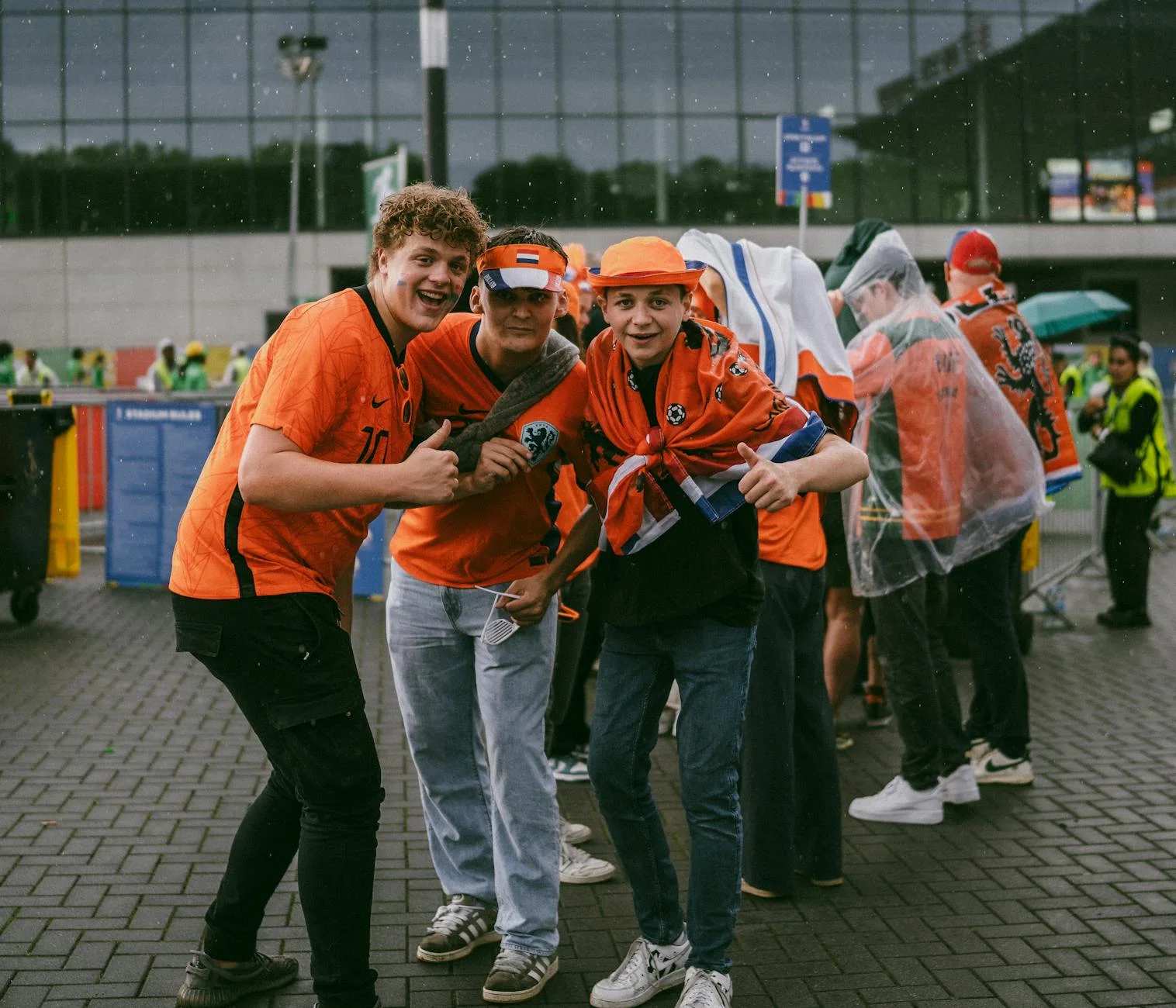
Mexico City's official FIFA Fan Fest for World Cup 2026 will likely occupy the massive Zócalo, the main square that can hold 100,000+ people and has hosted everything from papal visits to massive protests. Giant screens, food vendors, beer gardens, and that incredible Mexican energy that turns every match into a carnival—even if Mexico isn't playing. The Zócalo sits above Aztec ruins and beside the Metropolitan Cathedral, creating this surreal collision of ancient history, colonial architecture, and modern football fandom. Security will be tight but efficient, and the atmosphere during simultaneous matches creates an electricity you'll feel in your bones.
For a more intimate fan experience, Roma Norte and Condesa become unofficial fan zones during major tournaments. Patio Condesa (Calle Nuevo León 107) has multiple screens, outdoor seating, and draws a young, international crowd. Parker & Lenox (Calle Milán 14) in Juárez serves craft cocktails and elevated pub food with a sophisticated vibe—this is where you watch the match you're not that invested in while planning tonight's celebration. Lardo (Agustín Melgar 6) in Condesa shows matches on a big screen while serving some of the city's best Mediterranean food—the patio fills early on match days.
English, Irish, and American fans tend to congregate at Celtics Sports Bar (multiple locations, the Polanco one is biggest) which shows every match, serves decent pub grub, and stocks international beers. Hooters (yes, really—the one on Reforma) becomes an unexpected gathering spot for American fans, with reliable screens and familiar comfort food. For German fans, Biergarten Polanco (Alejandro Dumas 125) offers authentic atmosphere and proper German beer. Argentine fans should head to La Parrilla Argentina locations across the city—they'll be showing every Argentina match with the passion you'd expect.
The real magic happens in neighbourhood cantinas and pulquerías where locals welcome foreign fans with open arms (and open bottles of mezcal). La Clandestina (Álvaro Obregón 298) in Roma Norte serves over 100 types of mezcal and shows matches on a projector—the crowd here knows football. Salón Malafama (Orizaba 127) in Roma combines wrestling memorabilia, craft beer, and football screenings in gloriously chaotic Mexican style. Pulquería Los Insurgentes (Insurgentes Sur 226) offers the traditional fermented agave drink pulque and a local crowd that will adopt you if your team wins (and console you if they don't).
Don't sleep on the neighbourhood sports bars near Estadio Azteca—places like Bar El Estadio and dozens of unnamed spots around the stadium that have been serving pre-match beers and post-match tears for decades. These working-class establishments offer USD 2 beers, USD 5 tortas, and authentic atmosphere you won't find in trendy neighbourhoods. The walk from the Metro to the stadium passes through streets lined with vendors selling scarves, flags, and street food—arrive early, soak it in, and understand that this is where Mexican football lives.
🎯 Book in advance: Explore Mexico City tours and experiences on GetYourGuide — skip the queues!
Getting There & Getting Around
Benito Juárez International Airport (MEX) sits just eight miles east of central neighbourhoods, making it one of the most conveniently located airports serving any World Cup 2026 city. Direct flights connect Mexico City to every major hub in North America, Europe, and South America—expect USD 400-800 roundtrip from US cities, USD 600-1,200 from European capitals, and USD 800-1,500 from Asia during the tournament. Book flights four to six months ahead for best prices, and consider flying into Mexico City a few days early to adjust to the altitude before match day.
From the airport, authorized taxis cost a fixed USD 15-25 depending on your destination neighbourhood—buy tickets at official booths inside the terminal, never with drivers approaching you. Uber works excellently and costs USD 10-18 to central areas, though airport pickup can be confusing (follow the app's instructions carefully). The Metrobús Line 4 connects the airport to the city for just USD 0.50, but navigating it with luggage through crowded stations isn't ideal after a long flight. For World Cup 2026 arrival, we strongly recommend pre-booking private transfers for fixed prices and stress-free arrival.
Within the city, the Metro system is incredibly cheap (USD 0.25 per ride) and extensive, though crowded during rush hours and not always safe for tourists with luggage or after dark. Download the Metro map and learn the key lines: Line 2 runs to Estadio Azteca, Line 1 connects the historic centre to Observatorio, Line 3 serves Universidad. Metrobús rapid transit costs USD 0.50 and runs on dedicated lanes above ground—less crowded than Metro and easier to navigate.
Uber and Didi (Mexico's local ride-share app) are your best friends here—reliable, safe, and cheap by international standards. Most rides within central neighbourhoods cost USD 3-6, trips to Estadio Azteca from Roma/Condesa run USD 8-12, and even longer journeys rarely exceed USD 15. Drivers are generally friendly and many speak some English. Ecobici bike-share works well in Roma, Condesa, and Polanco if you're comfortable with traffic, at USD 2.50 for 24-hour access. Walking is pleasant in neighbourhoods like Roma Norte, Condesa, Coyoacán, and the historic centre, though distances between areas are significant.
📱 Stay connected in the USA: Get your eSIM before you fly — no roaming charges, works instantly on arrival!
Don't Miss These Experiences
1. Xochimilco Boat Ride & Floating Fiesta (USD 20-30 per person): Head south to the ancient canals of Xochimilco, a UNESCO World Heritage site where colourful trajineras (flat-bottomed boats) drift through waterways built by Aztecs. Hire a boat for your group (they fit 15-20 people), bring beer and snacks (or buy from floating vendors), and drift past mariachi boats, flower vendors, and other groups celebrating. It's surreal, joyful, and completely Mexican. Go on a non-match day when you have time to properly embrace the chaos. The boats cost around USD 300-400 for 2-3 hours total, split among your group, making it incredibly affordable. Hire a mariachi band for USD 100 to serenade your boat with classic Mexican songs while you drink micheladas and toast to football, friendship, and this incredible journey.
2. Teotihuacán Pyramids at Sunrise (USD 40-80 with tour): Wake before dawn and drive forty kilometres northeast to Teotihuacán, the mysterious ancient city that predates the Aztecs. Climb the Pyramid of the Sun (the third-largest pyramid in the world) as the sun rises over the Valley of Mexico, and you'll understand why ancient peoples considered this place sacred. Tours including transport and guide cost USD 60-80, or go independently via bus from Terminal Norte (USD 5 each way) and hire a guide at the site (USD 30). The altitude makes the climb challenging, but standing atop that pyramid, looking across an ancient city aligned to celestial events, puts everything—including football—into cosmic perspective. Return to the city for lunch and a siesta before evening festivities.
🎯 Book in advance: Explore Mexico City tours and experiences on GetYourGuide — skip the queues!
3. Lucha Libre at Arena México (USD 10-50 tickets): Mexican wrestling isn't just sport—it's theatre, mythology, and pure spectacle. Arena México (the cathedral of lucha libre) hosts matches Tuesday, Friday, and Sunday nights. Buy tickets at the box office or online (USD 10-50 depending on seats), arrive early for the full atmosphere, and prepare for acrobatic mayhem as masked luchadores fly through the air while crowds scream for their heroes and villains. Vendors sell beer, snacks, and masks. The crowd is family-friendly chaos—grandmothers, children, and tourists all united in joyful absurdity. If your match schedule allows, this is essential Mexico City culture that perfectly complements football fandom—both are about passion, performance, and collective joy.
4. Frida Kahlo Museum & Coyoacán Wandering (USD 15-25): The Casa Azul (Blue House) where Frida Kahlo lived and created her intensely personal art has been preserved as a museum showcasing her work, her belongings, and her complicated life with Diego Rivera. Book tickets online in advance (USD 15-20) as daily capacity is limited. Afterward, explore Coyoacán's cobblestone streets, colonial plazas, and neighbourhood markets. Stop at Café El Jarocho (Cuauhtémoc 134) for legendary coffee, browse artisan markets in the Jardín Centenario, and eat lunch at Los Danzantes (Jardín Centenario 12) for upscale Oaxacan cuisine (USD 25-40 per person). This neighbourhood feels like a small town somehow preserved within the megacity, offering peaceful respite between the intensity of match days.
5. Street Food Tour Through Roma Norte (USD 30-50 with guide, or DIY): Mexican street food isn't just delicious—it's an art form perfected over centuries. Join a guided food tour (USD 40-60) or create your own adventure hitting legendary spots: Tacos El Güero (Tamaulipas 122) for al pastor perfection, Taquería Orinoco (Orizaba 87) for suadero tacos, Panadería Rosetta (Colima 179) for the city's best pastries and coffee. Try esquites (corn in a cup) from street vendors, tlacoyos (stuffed corn masa) at market stalls, and churros from El Moro (multiple locations). Each bite tells a story of indigenous ingredients, Spanish influence, and Mexican innovation. Budget USD 2-5 per item and come hungry. Read also: [football festival](/blog/football-festival-complete-guide-2026) — Complete Guide 2026 for more World Cup 2026 destination insights.
Your Day-by-Day Budget Breakdown
| Category | Budget | Mid-Range | Luxury |
|---|---|---|---|
| Accommodation (per night) | USD 60-80 | USD 140-200 | USD 350-500 |
| Breakfast | USD 5-8 (street food, cafés) | USD 10-15 (nice café) | USD 20-30 (hotel/upscale) |
| Lunch | USD 8-12 (tacos, comida corrida) | USD 15-25 (casual restaurant) | USD 35-50 (quality restaurant) |
| Dinner | USD 12-20 (local spots) | USD 25-40 (good restaurant) | USD 60-100 (fine dining) |
| Transport | USD 5-10 (Metro, Metrobús) | USD 15-25 (Uber, occasional taxi) | USD 40-60 (private car, comfort) |
| Drinks/Nightlife | USD 10-20 (local bars, beer) | USD 25-40 (cocktails, mid bars) | USD 60-100 (upscale venues) |
| Activities/Entrance Fees | USD 5-15 (museums, basic) | USD 20-40 (tours, experiences) | USD 60-100 (private tours, premium) |
| Match Day Extras | USD 20-30 (transport, snacks) | USD 40-60 (transport, pre-match meal) | USD 100-150 (VIP transport, hospitality) |
| TOTAL PER DAY | USD 125-195 | USD 290-430 | USD 725-1,050 |
Note: This excludes match tickets (USD 100-500+ depending on match and category), flights, and travel insurance. Budget assumes sharing accommodation costs where applicable.
🎟️ Don't miss the match: Buy World Cup 2026 tickets on StubHub — selling out fast!
Insider Tips Before You Go
• Altitude adjustment is real—arrive 2-3 days early: That 7,350-foot elevation hits harder than you expect. Drink twice as much water as normal, limit alcohol the first day, and don't be surprised if you're breathless climbing stairs. Your body needs 48-72 hours to adjust before you're jumping and screaming for ninety minutes at Estadio Azteca. Many visiting teams arrive a week early for this exact reason.
• Learn basic Spanish phrases—it matters here: While tourist areas have English speakers, Mexico City isn't as bilingual as Cancún or Los Cabos. Download Google Translate, learn "¿Cuánto cuesta?" (how much?), "La cuenta, por favor" (the check, please), and "¿Dónde está el baño?" (where's the bathroom?). Effort is appreciated and opens doors to genuine interactions. Most Mexicans are incredibly warm and patient with visitors attempting Spanish.
• Tap water is not drinkable—stick to bottled: Even in luxury hotels, don't drink tap water or use it to brush teeth. Bottled water costs USD 0.50-1 at convenience stores. Ice in restaurants is usually fine (made from purified water), but street vendor ice is risky. This isn't paranoia—it's reality that will save you from spending match day in a bathroom instead of the stadium.
**• Download Uber,
Plan Your Perfect World Cup Trip
Our free AI Itinerary Planner builds a day-by-day schedule tailored to your matches, budget, and interests — in seconds.
Build My Itinerary →Official Fan Gear & Merch
Jerseys, hats, and collectibles — get yours before they sell out.
🎟️ Recommended Experiences
Top-rated activities near Mexico City.